Hook-and-Loop Buffing Pads vs Plain Backing Pads: Which Should Your Store Stock?
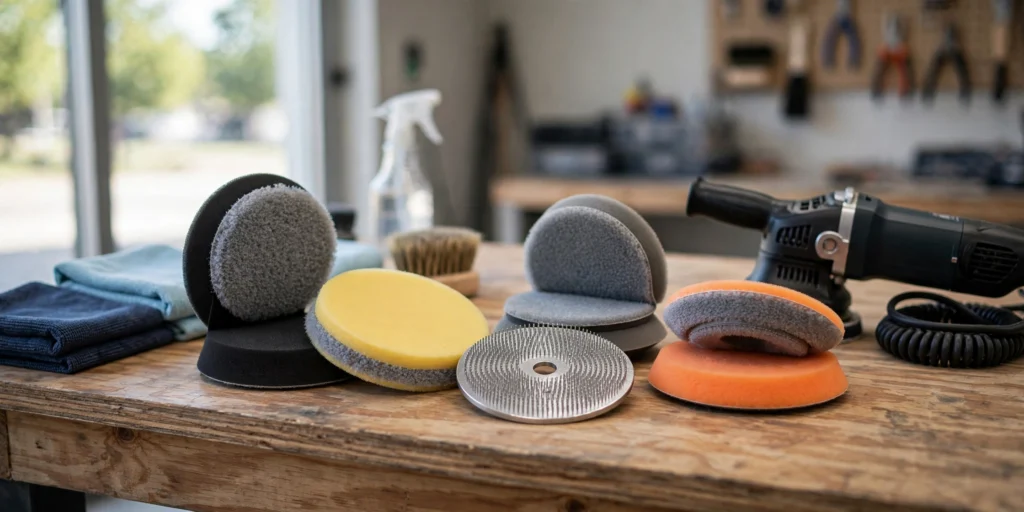
Consider a common scenario: a distributor wins a quotation by offering plain-backed buffing pads at a noticeably lower unit price than loop-backed equivalents. The first cartons ship, the invoice is paid — and then the trouble starts. His customers’ plates all have hook faces, so the plain pads won’t mount. Improvised adhesive discs shear under […]
Polishing Pad QC Checklist: A Pre-Shipment Inspection Guide for Buyers
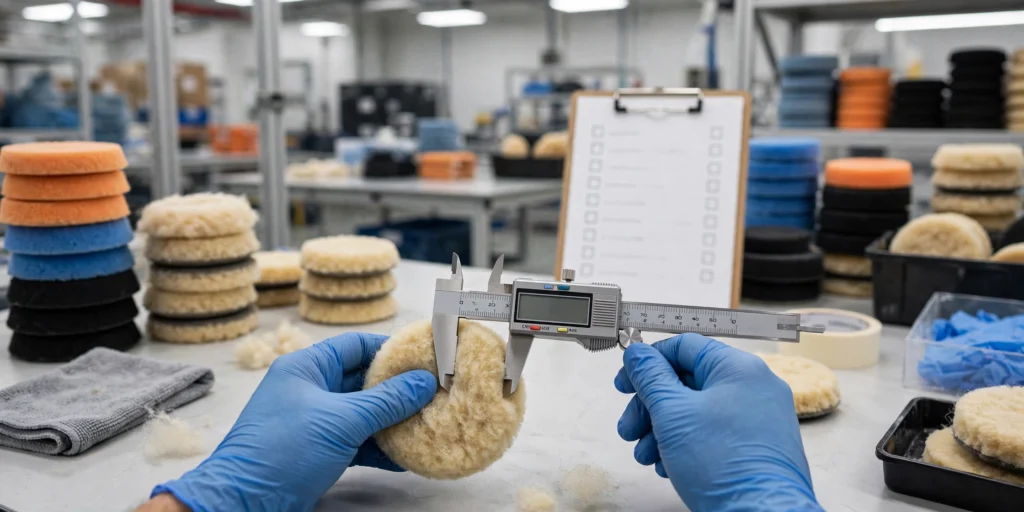
Consider a common scenario: a buyer receives wool pads that looked perfect in the factory photos. On arrival, a share of the pads wobble on the backing plate — the hook-and-loop discs were bonded slightly off-center. The pads are usable, technically. They are also unsellable to any professional shop, because a wobbling pad at working […]
Waffle vs Flat Foam Pads — Does Face Texture Matter?
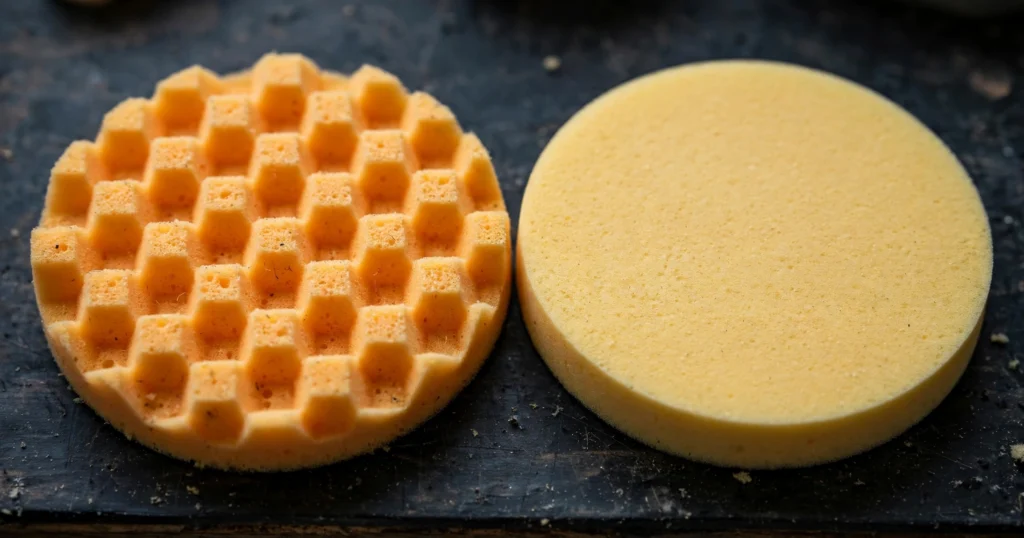
Consider a common scenario: a detailer’s customer complains that new foam pads are leaving compound “cooked” onto dark paint. Same compound, same polisher, same technique used for years. The only thing that changed was the pad shipment — the previous batch had waffle-face pads, the new batch was flat. The texture was the right suspect. […]
Private Label Polishing Pads: How OEM Programs Work
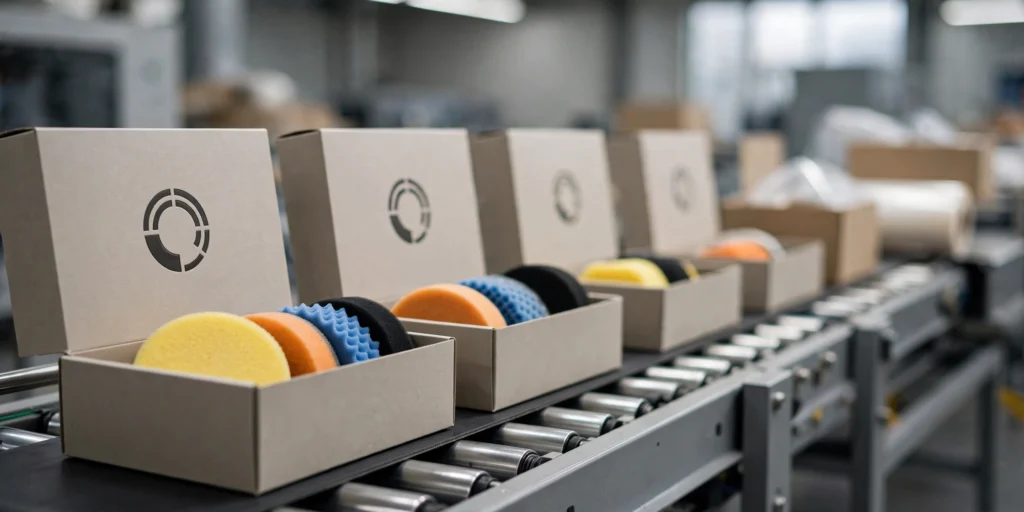
Consider a common scenario: a car-care brand owner orders several thousand private label polishing pads with his logo. What arrives is a solid pad program — correct foam grades, clean hook-and-loop, decent cartons — with one flaw: the logo is a paper sticker applied to the box. In a humid warehouse, the stickers start peeling, […]
How to Clean Polishing Pads: Maintenance Guide to Extend Pad Life
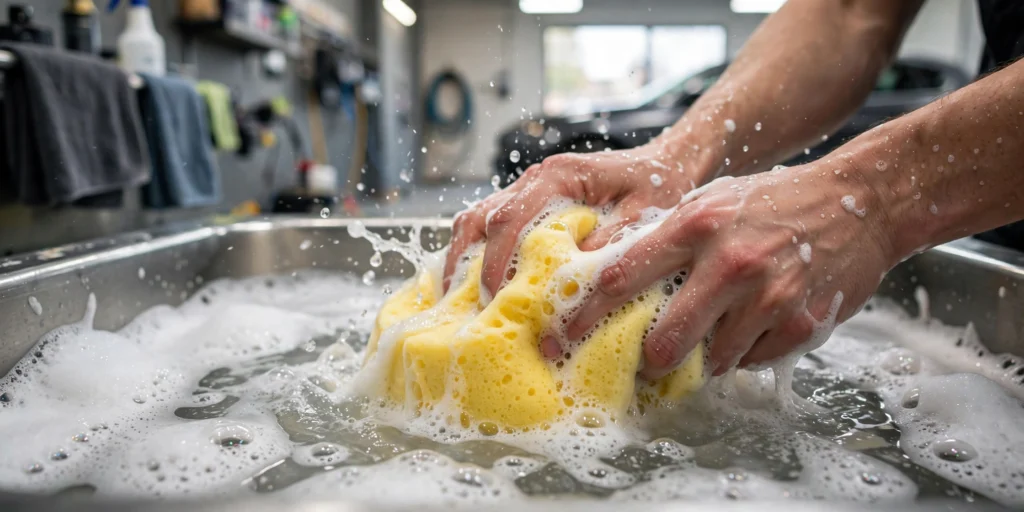
Consider a common scenario: a detailing chain complains that its foam pads are “wearing out after a few jobs.” The distributor sends replacements before someone visits the shop and watches the crew toss compound-caked pads into a pile at day’s end, unwashed, to bake overnight. The pads weren’t defective. They were never cleaned. Every premature […]
How Many Buffing Pads Does a Detailing Business Need? A Distributor Sizing Guide
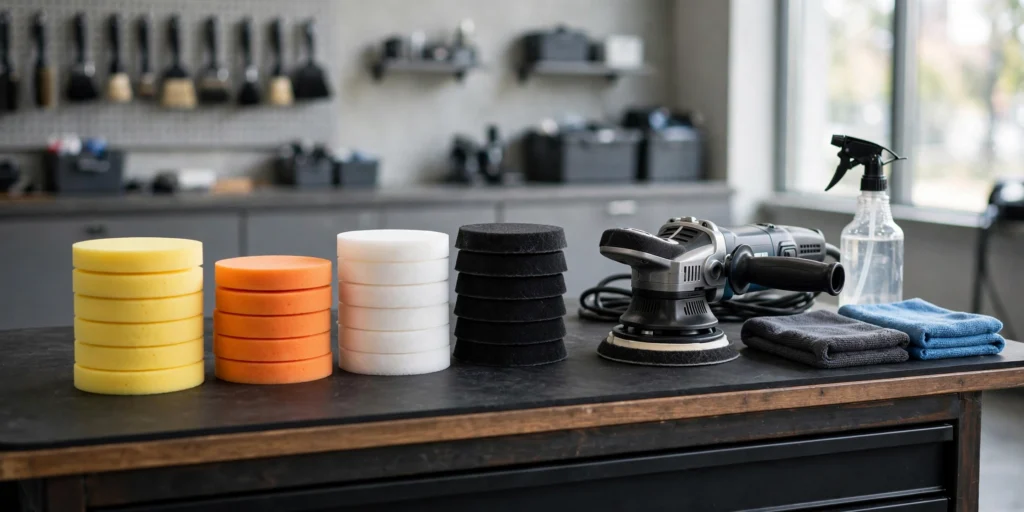
Consider a common scenario: a distributor runs out of 6-inch wool cutting pads during the busiest weeks of the year, and several studios in a key account start buying foam pads from a competitor to keep jobs moving. By the time the restock lands, those studios have rebuilt their standing orders elsewhere. The distributor didn’t […]
Foam Pad Cutting Polishing Finishing: Aggressiveness Grades Explained for Distributors
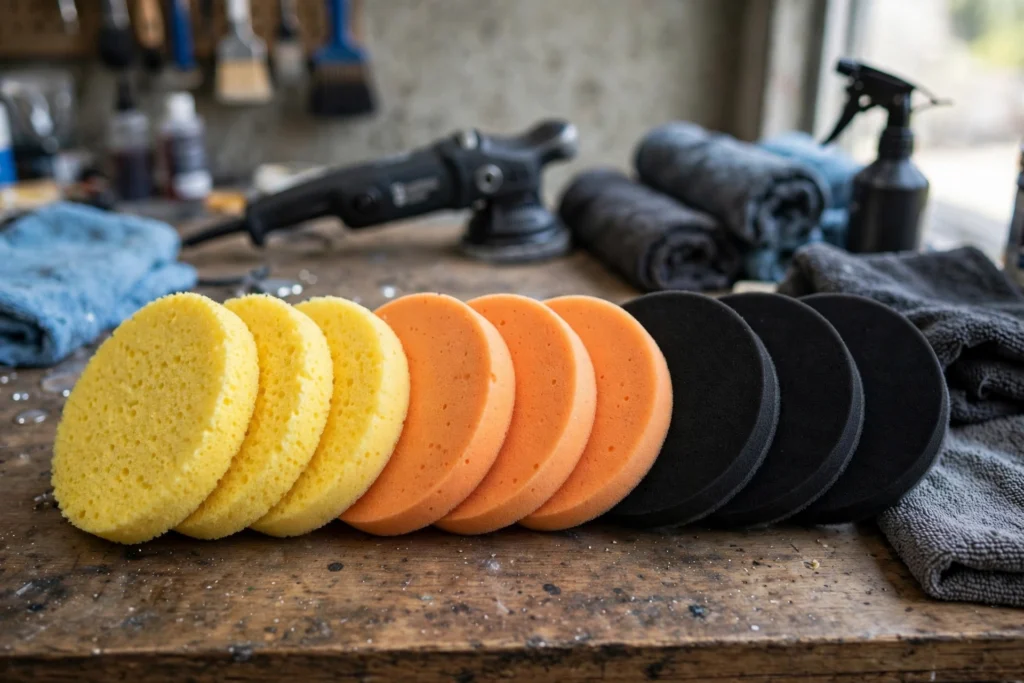
Consider a common scenario: a distributor loses a chain account over a carton labeled “polishing pads.” The pads themselves were fine — heavy-cut foam, misread as polishers because the box carried “polishing” in the brand name. One confused grade name, one shipment of the wrong aggressiveness, one account gone. Foam pad grading is where wholesale […]
Single-Sided vs Double-Sided Wool Pads: Which Should You Stock?
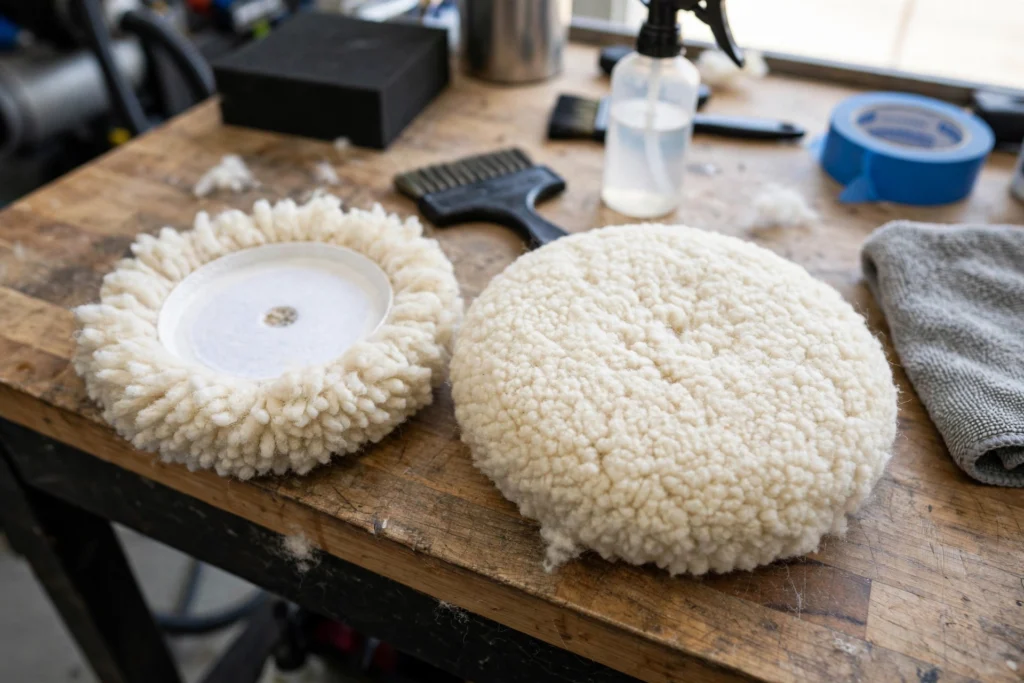
Consider a common scenario: a fleet detailing buyer orders double-sided wool pads, then tries to mount them on hook-and-loop backing plates built for single-sided pads — and returns the whole carton as “defective.” They weren’t defective. Two-way freight, a week of arguing, one embarrassed distributor. Wool pad format is a small line on the spec […]
How to Choose Buffing Pad Size for Your Polisher: A Backing Plate Matching Guide
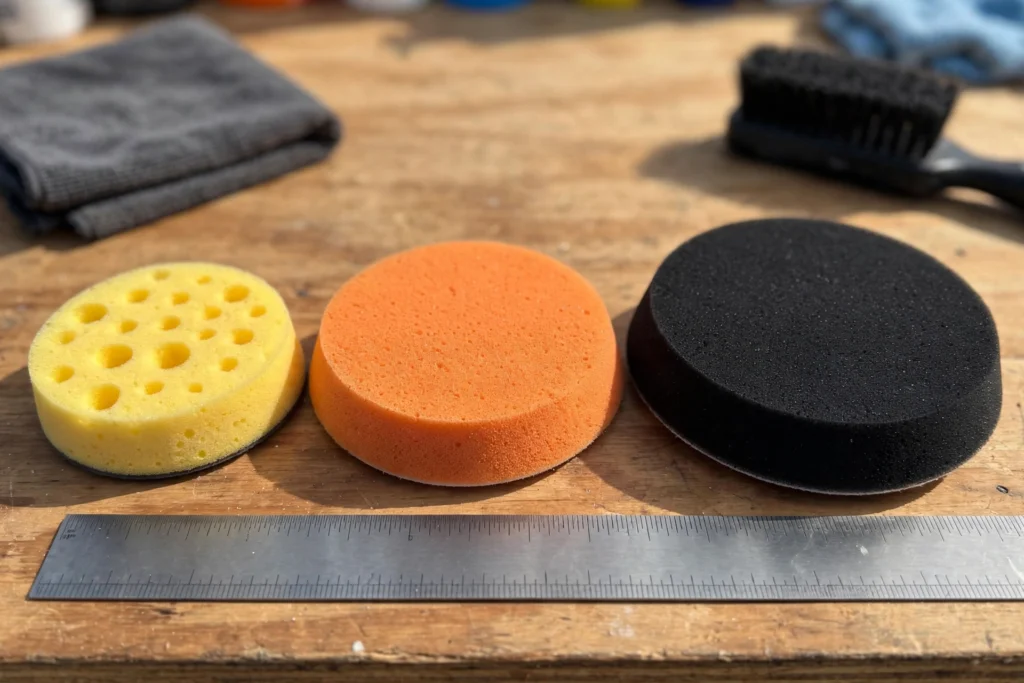
Consider a common scenario: a new wholesale account orders two thousand six-inch pads for its detailing chain, then calls back angry — the pads walk off the backing plates mid-job. The problem isn’t the pads. Their polishers run five-inch plates, and the one-inch overhang turns every pad into a wobbling liability. Size matching sounds trivial […]
Wool vs Foam vs Microfiber Pads: A Distributor’s Buying Guide
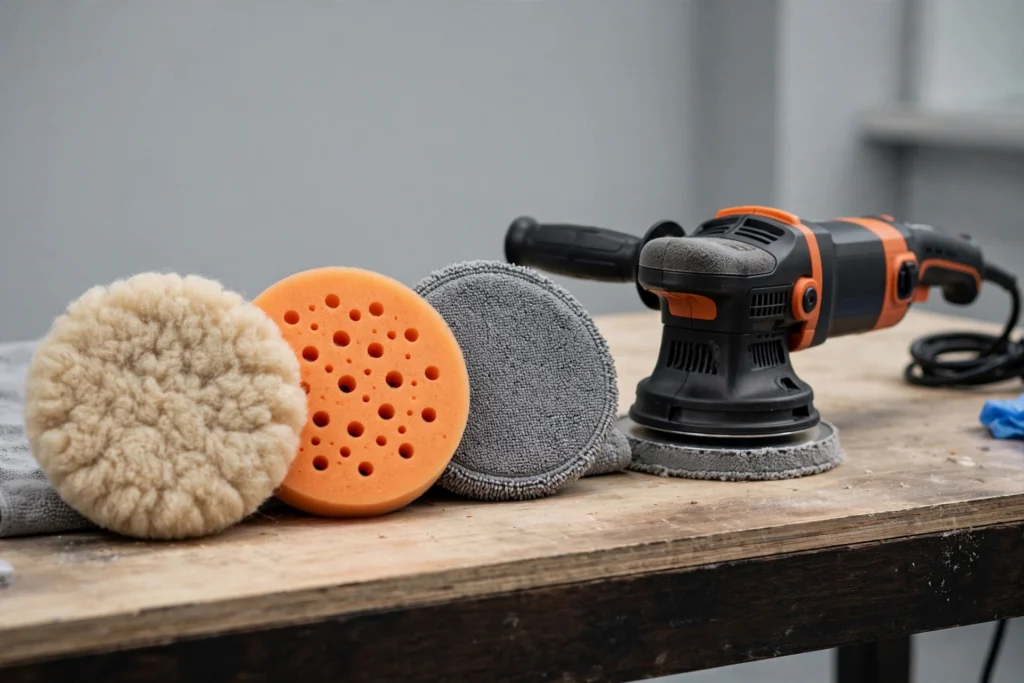
Which pad material should you choose? For the operator: wool for heavy cutting and oxidation, medium foam for polishing, soft foam for finishing and wax application, microfiber for one-step jobs on harder clear coats. This guide answers the same question from the distributor’s side — what to stock and how to buy it. Consider a […]