Backing Plates and Polishing Pad Adapters: What Detailing Distributors Should Stock
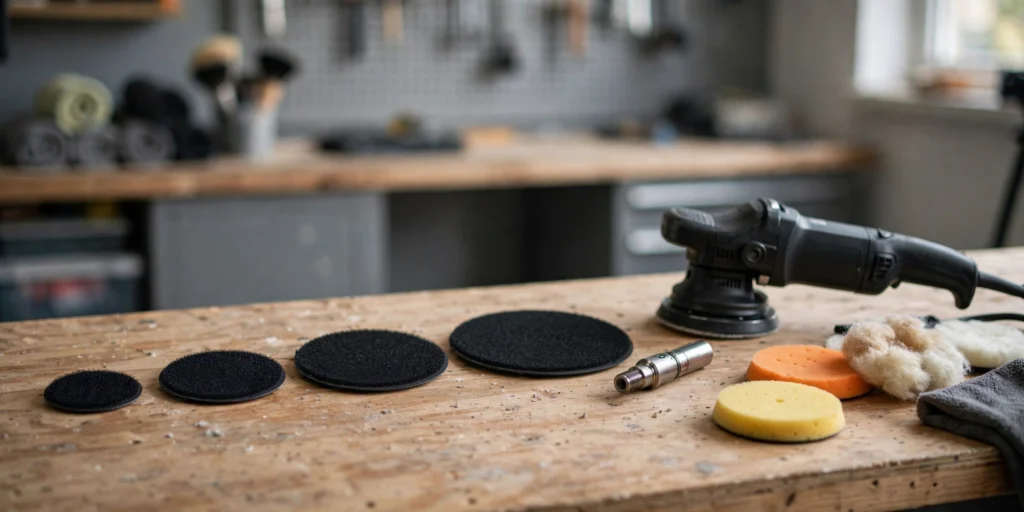
Consider a common scenario: a detailing shop phones its distributor for replacement pads, and the conversation stalls on the second question — the pads aren’t the problem; the shop’s backing plate is wobbling, the hook face is balding, and nothing in stock matches its thread. The distributor has pads in every color and grade, but […]
Polishing Pad Storage and Shelf Life: What Distributors Should Tell Retailers
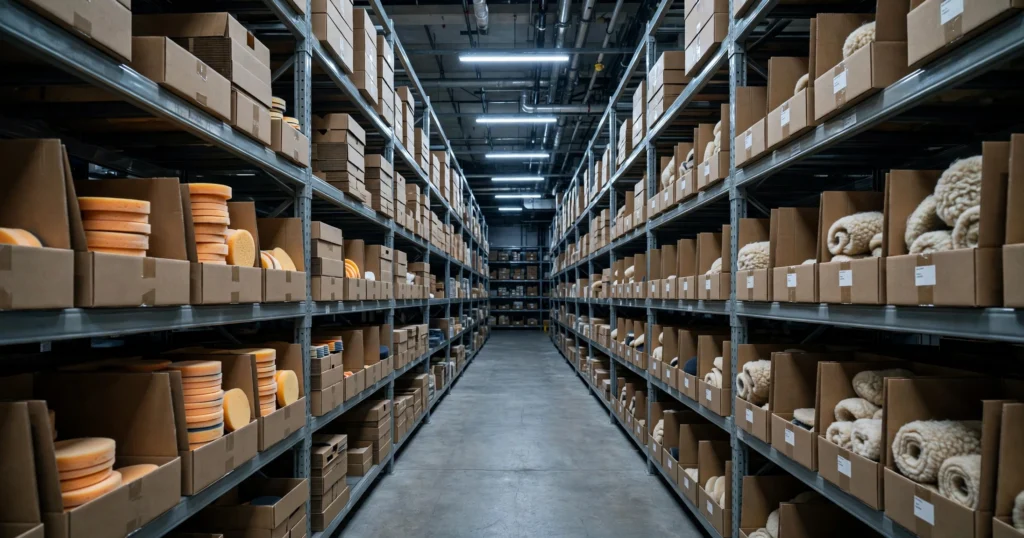
Consider a common scenario: a distributor ships a pallet of foam pads to a regional retailer at the start of a warm season. The retailer stacks the cartons against a sunlit storeroom wall and sells through them slowly. Months later, the complaints arrive — backing fabric peeling off mid-polish, foam edges crumbling, hook-and-loop that barely […]
Buffing Pad Packaging Options for Retail-Ready Pad Lines: Blister, Box, Polybag, Display Cartons
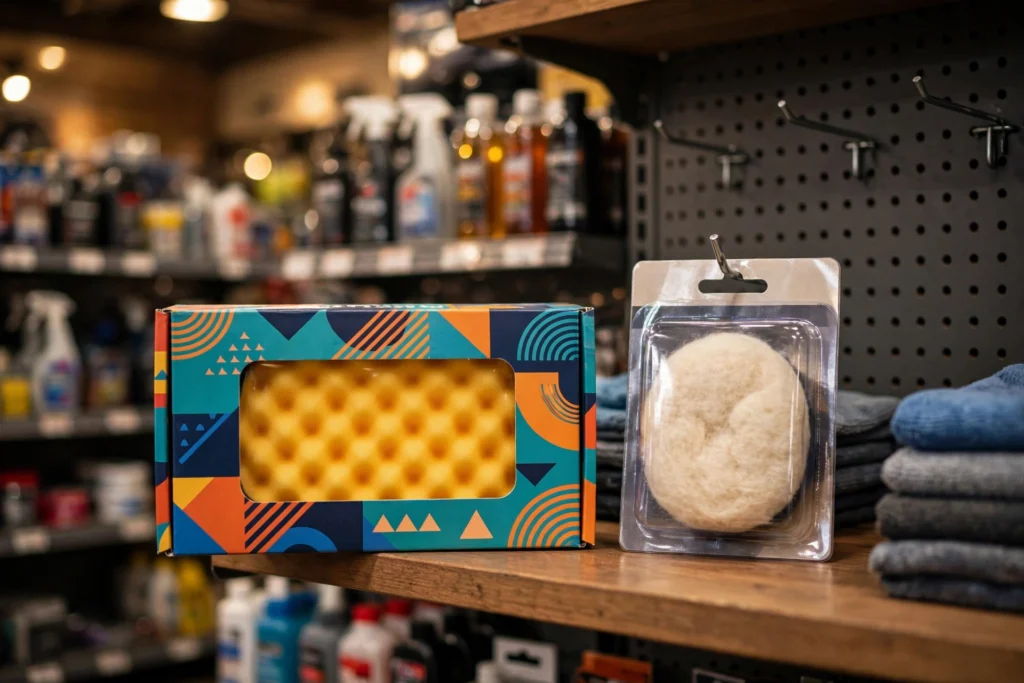
Consider a common scenario: a distributor’s private-label pad line runs well with shops buying by the case in plain polybags. Then a retail chain agrees to test the line in its stores, and the buyer’s first questions are about the hang tab, the barcode, and how the package looks on a peg hook next to […]
How to Price Private Label Pads for Resale: Margin Math for Distributors and Brands
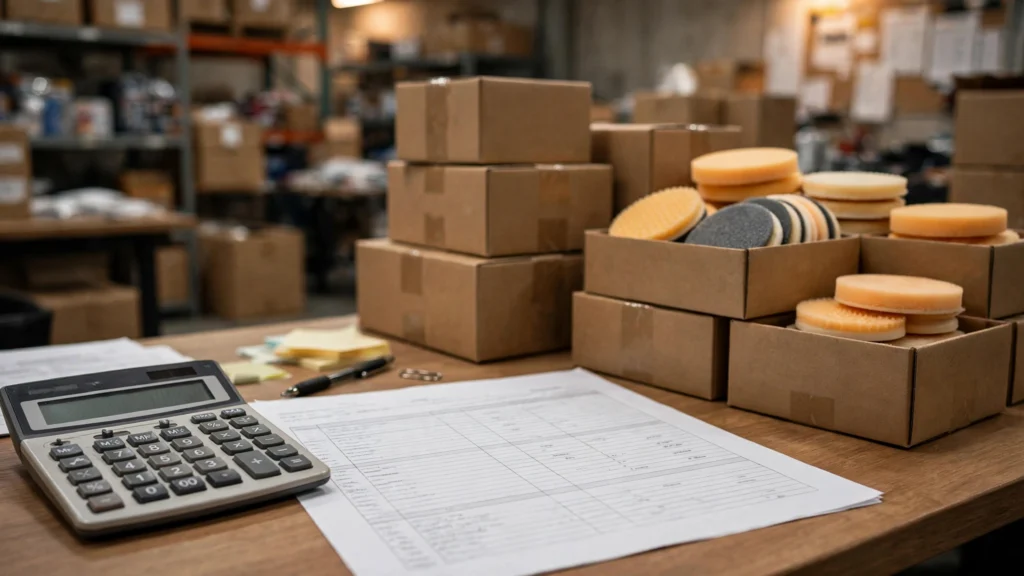
Consider a common scenario: a new distributor launches a private-label pad line, pricing from the factory quote plus a markup. The line sells well. Months later — after freight, duties, custom packaging, samples, and a couple of ad-hoc price cuts to win early accounts — the margin the spreadsheet promised has shrunk to a fraction […]
Microfiber Cutting Discs vs Wool Pads: Which Cuts Faster and Finishes Cleaner?
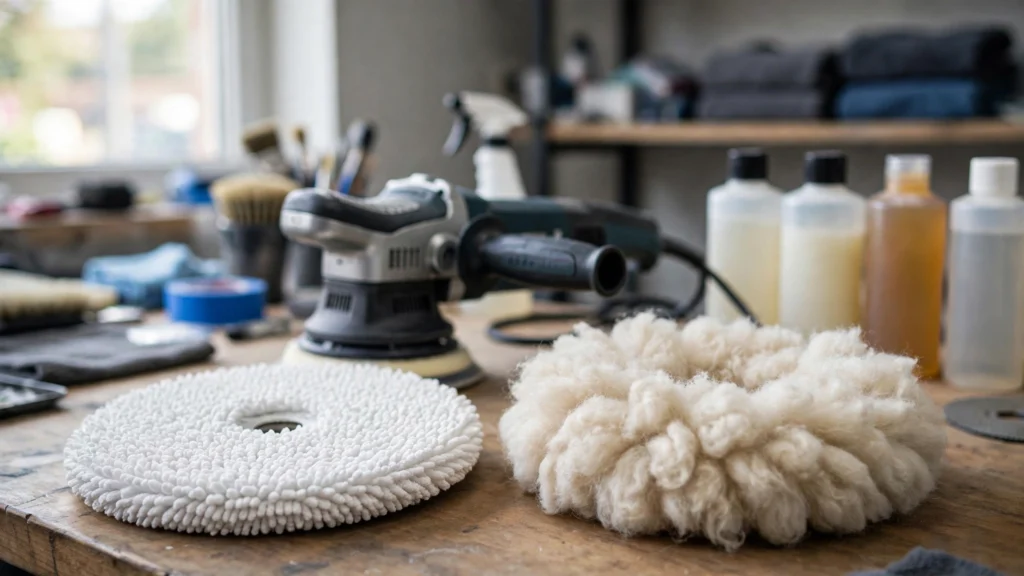
Consider a common scenario: a body-shop account asks its distributor for “the fastest cutting pad” to work through a backlog of oxidized vehicles. The distributor sends the most aggressive wool in the line. The pad cuts hard — and the shop then spends an extended second stage refining the haze and loose fibers it left […]
Pad Color Coding Systems: A Distributor’s Guide to Buffing Pad Colors
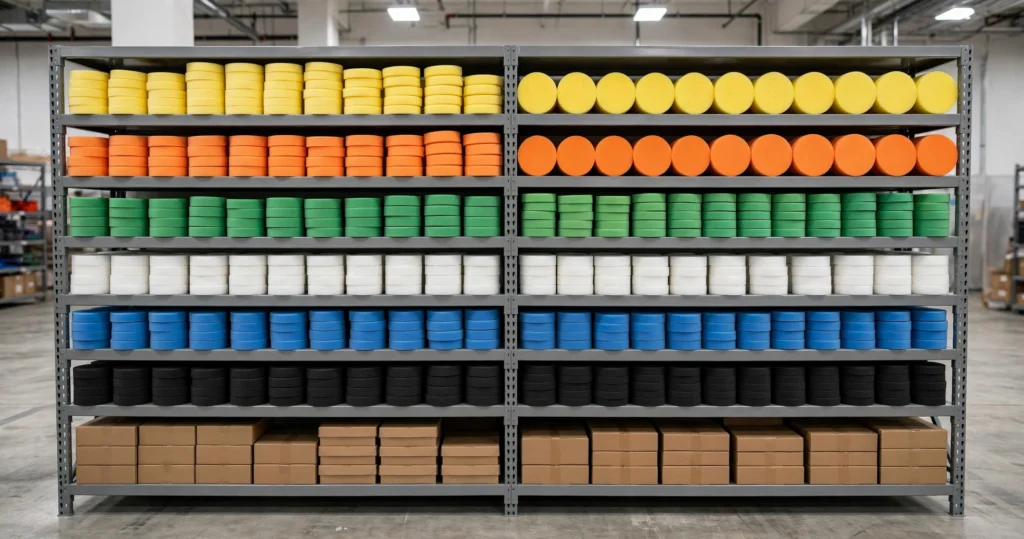
Consider a common scenario: a distributor sells “yellow medium-cut pads” to several body shops. Most reorder without issue. One shop, though, returns the whole carton, claiming the pads are far too aggressive. Same SKU, same factory, same carton. The difference is training history: that shop’s detailers learned on a different brand’s chart, where yellow meant […]
Pad Priming Technique: How to Prime a Polishing Pad Step by Step
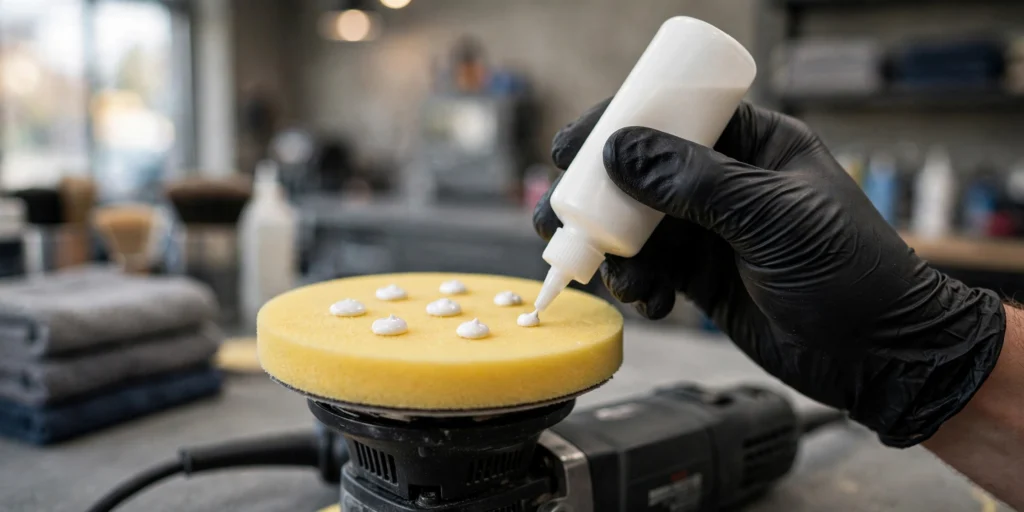
Consider a common scenario: a detailing shop invests in good pads and a quality compound, yet the first correction job comes out uneven, with product slung across the walls and the pad running hot within minutes. The products are not the problem — the technique is missing one step. The pad went onto the paint […]
Heat Buildup in Polishing Pads: How It Damages Pads and How to Prevent It
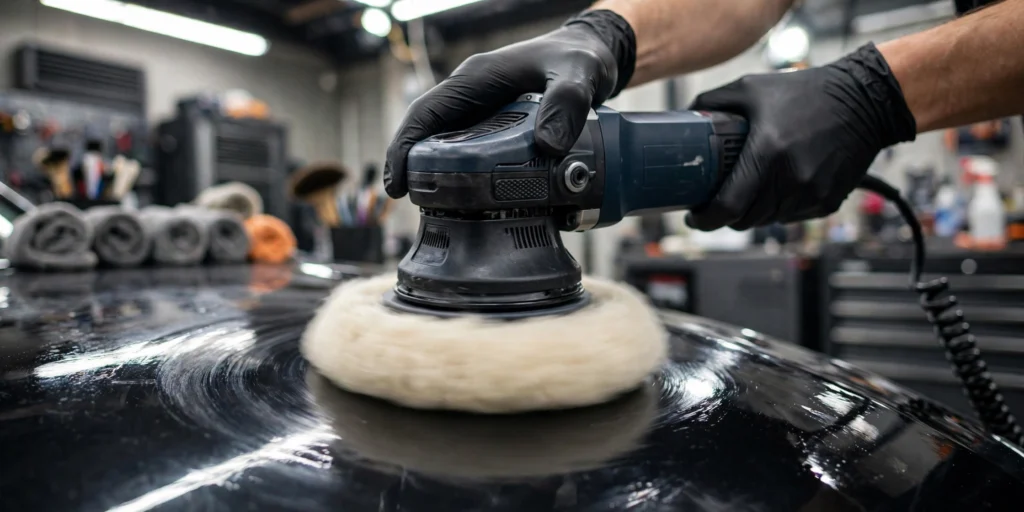
Heat buildup in polishing pads is prevented by working conditions, not by the pad alone: prime the pad, keep the face clean, rotate through several pads so each one cools, run moderate speed with light pressure, keep the pad flat on the panel, and work in short sections with pauses. Technique decides how hot a […]
Lambswool Polishing Pads vs Sheepskin Pads: Which Should Distributors Stock?
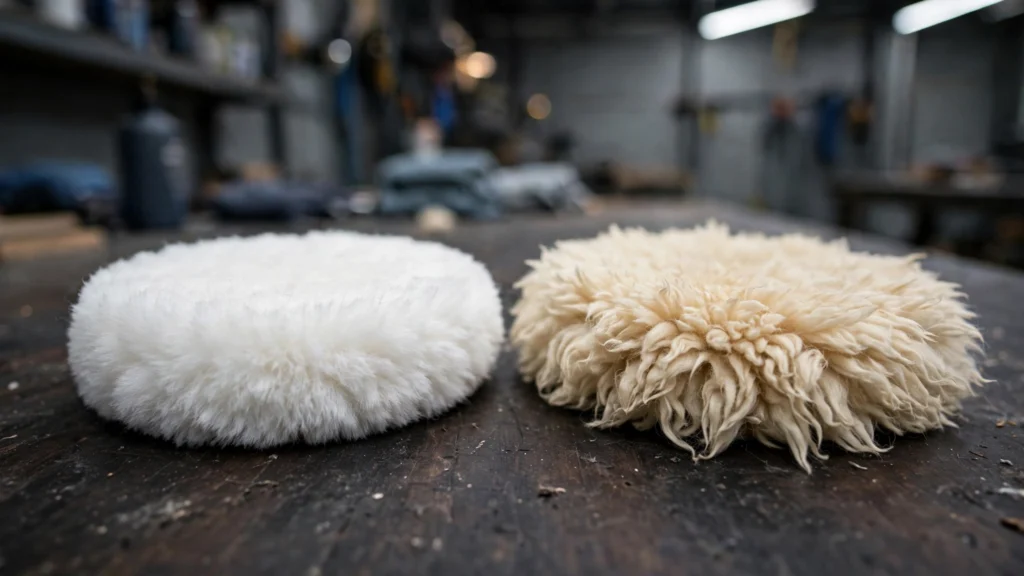
Pick lambswool polishing pads for one-step work on a DA with a finishing compound — the finer fiber face usually leaves a cleaner finish in a single stage. Pick sheepskin for rotary heavy cutting on hard paint, where the dense pelt cuts faster but typically leaves haze that needs a follow-up stage. The machine, compound, […]
Pad Washers and Spur Tools: What Distributors Should Stock Alongside Pads
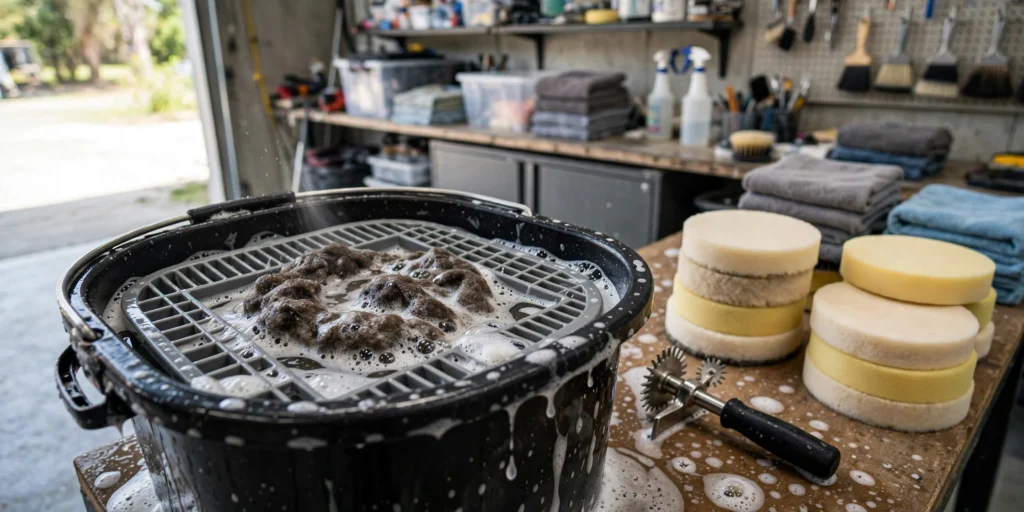
Consider a common scenario: a distributor watches pad reorder volumes soften while its customer count keeps growing. The first instinct is to read it as lost business — the shops are buying fewer pads per car, so they must be shopping around. Often it means the opposite: the best accounts bought a pad washer and […]