Pad Priming Technique: How to Prime a Polishing Pad Step by Step
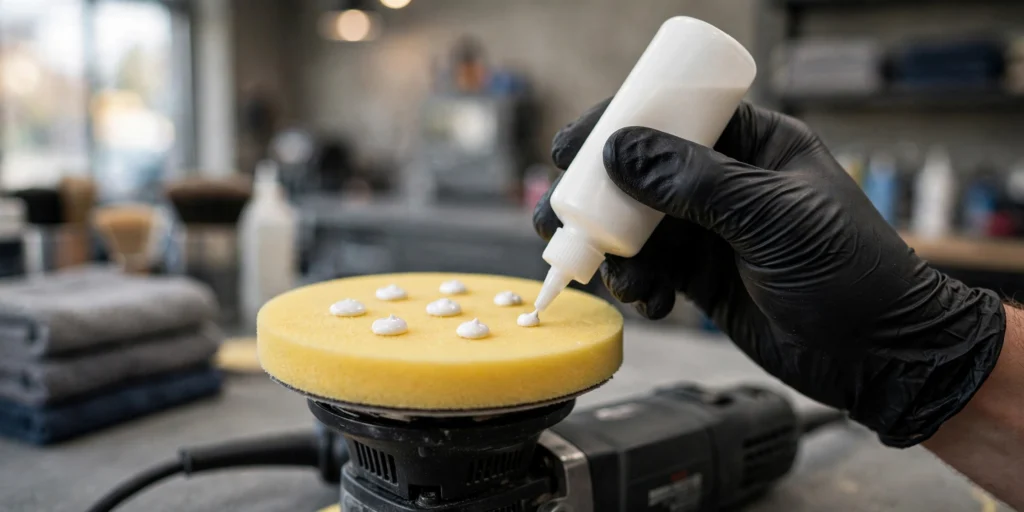
Consider a common scenario: a detailing shop invests in good pads and a quality compound, yet the first correction job comes out uneven, with product slung across the walls and the pad running hot within minutes. The products are not the problem — the technique is missing one step. The pad went onto the paint […]
Heat Buildup in Polishing Pads: How It Damages Pads and How to Prevent It
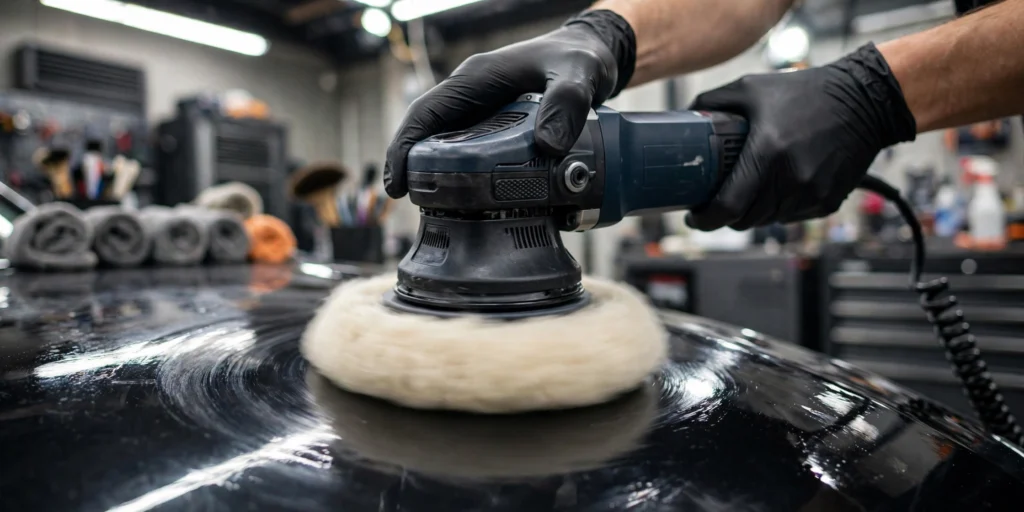
Heat buildup in polishing pads is prevented by working conditions, not by the pad alone: prime the pad, keep the face clean, rotate through several pads so each one cools, run moderate speed with light pressure, keep the pad flat on the panel, and work in short sections with pauses. Technique decides how hot a […]
Lambswool Polishing Pads vs Sheepskin Pads: Which Should Distributors Stock?
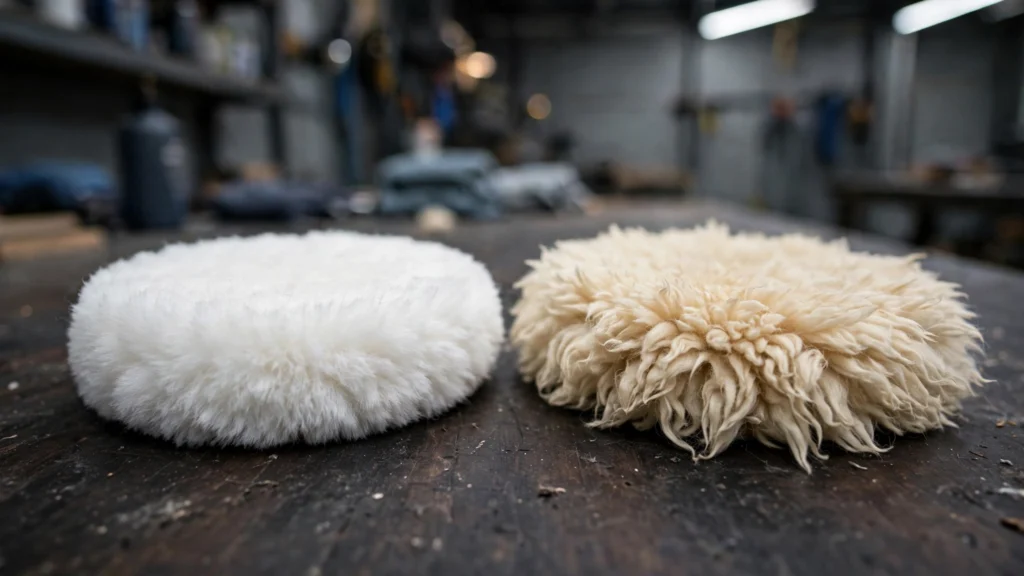
Pick lambswool polishing pads for one-step work on a DA with a finishing compound — the finer fiber face usually leaves a cleaner finish in a single stage. Pick sheepskin for rotary heavy cutting on hard paint, where the dense pelt cuts faster but typically leaves haze that needs a follow-up stage. The machine, compound, […]
Pad Washers and Spur Tools: What Distributors Should Stock Alongside Pads
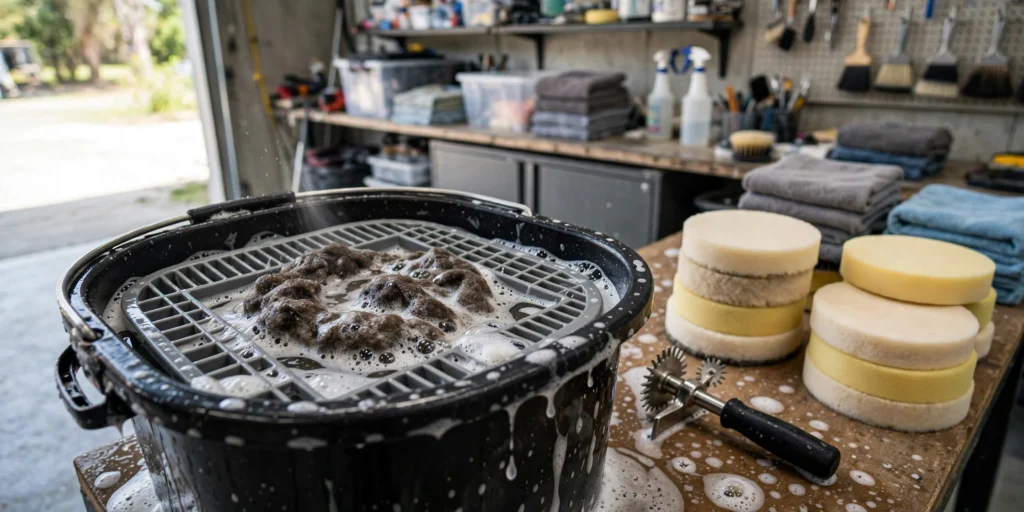
Consider a common scenario: a distributor watches pad reorder volumes soften while its customer count keeps growing. The first instinct is to read it as lost business — the shops are buying fewer pads per car, so they must be shopping around. Often it means the opposite: the best accounts bought a pad washer and […]
Hook-and-Loop Buffing Pads vs Plain Backing Pads: Which Should Your Store Stock?
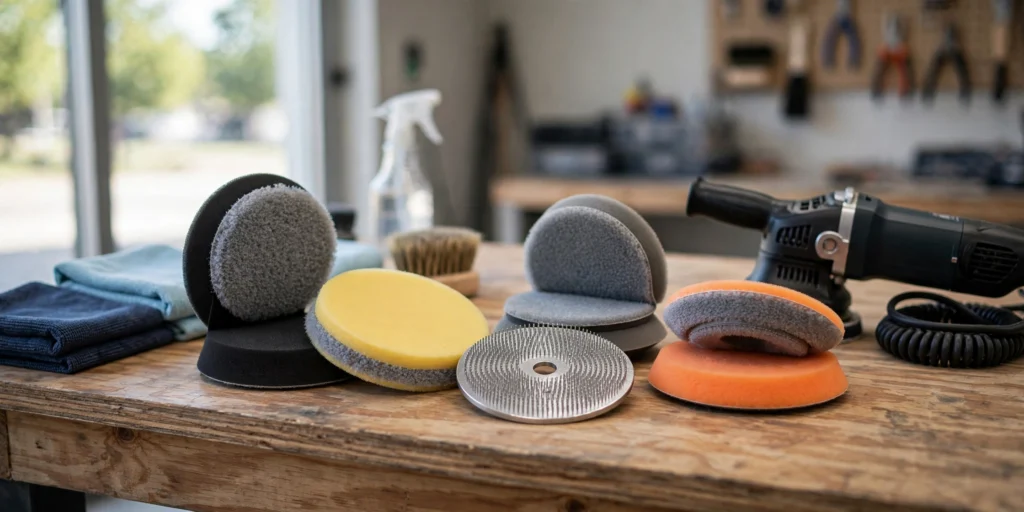
Consider a common scenario: a distributor wins a quotation by offering plain-backed buffing pads at a noticeably lower unit price than loop-backed equivalents. The first cartons ship, the invoice is paid — and then the trouble starts. His customers’ plates all have hook faces, so the plain pads won’t mount. Improvised adhesive discs shear under […]